
Blog
The Role of DevOps in Modern Software Development: Accelerating from Code to Customer
As businesses move to the cloud, DevOps can play a vital role. By enhancing collaboration between development and operations teams, DevOps enables faster, more efficient software delivery. This cultural shift helps streamline the cloud migration process, reduce risks, and improve agility.
In this blog, we’ll explore how DevOps can simplify cloud migration and share best practices for success.
In today’s digital age, organizations are under increasing pressure to deliver software features and updates at an unprecedented pace. In response to this challenge, DevOps has emerged as a transformative approach that unites Development (Dev) and Operations (Ops), optimizing the software delivery process. This approach significantly improves time-to-market and software quality.
What is DevOps and Why is it Important?
DevOps is both a philosophy and a cultural approach aimed at enhancing collaboration and coordination between development and operations teams. By emphasizing continuous collaboration, automation, and continuous improvement, DevOps seeks to make the software development process faster, more effective, and more reliable. The core principles of DevOps include:
- Collaboration: Enhancing close cooperation between different teams to create better alignment and resolve issues more quickly.
- Automation: Using automation tools to speed up processes and reduce human error.
- Continuous Improvement: Regularly assessing and optimizing processes to increase quality and efficiency.
Key Components of DevOps
-
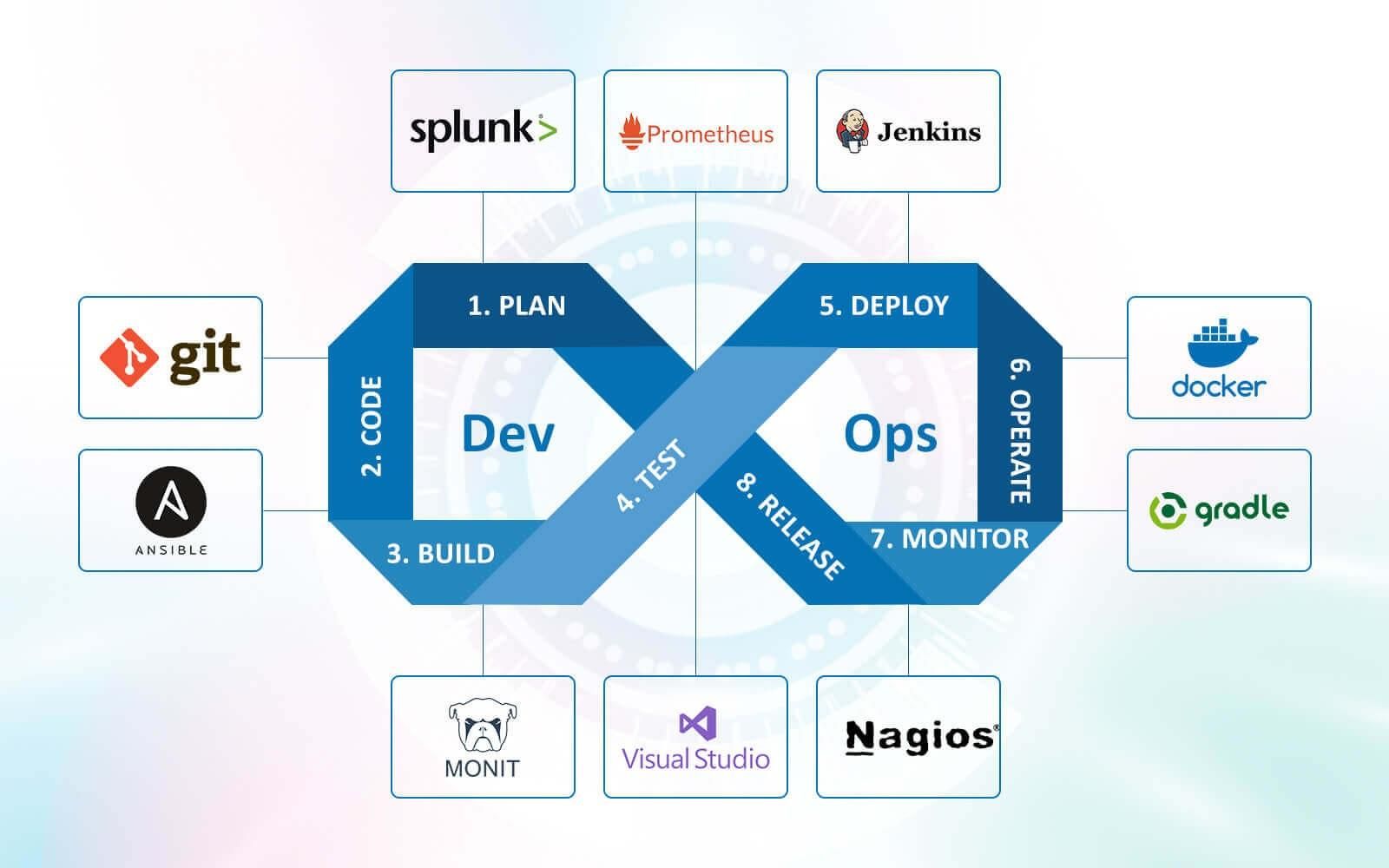
Continuous Integration (CI) and Continuous Delivery (CD): CI/CD forms the heart of DevOps, involving automated processes for integrating code changes and delivering them to production environments. These processes continuously merge new code using automated tests, which reduces risks and enhances delivery speed.
-
Infrastructure as Code (IaC): IaC is an approach that manages infrastructure through code. Using tools like Terraform and Ansible, you can manage infrastructure automatically and consistently. This allows for quick and error-free creation, modification, and removal of resources.
-
Monitoring and Logging: Monitoring and logging tools enable teams to continuously observe system status and identify and resolve issues before they impact end-users. Tools like Prometheus and the ELK Stack are used for these purposes.
-
Configuration Management: Configuration management is a part of DevOps that includes tools for automating and standardizing system and software configurations. Tools like Chef and Puppet help maintain consistency and reduce errors.
Important DevOps Tools
These software tools are used to automate tasks, manage servers, and improve collaboration between teams. In other words, DevOps uses these tools to help teams work faster and more efficiently.
 Git:
Git:
Git is one of the most widely used version control tools that allows teams to track and manage changes in the source code. With Git, developers can easily add new code to their projects and revert to previous versions if needed. Git is like a logbook that keeps all versions of your code.
 Jenkins:
Jenkins is a tool for automating development and deployment processes. It handles tasks such as testing, building, and deploying code automatically, without the need for manual intervention. Jenkins helps teams quickly move new code to production and fix issues before they happen.
 Docker:
Docker is a popular tool for creating containers. Containers are like boxes that hold applications along with all their dependencies, so they can run smoothly on any system. This way, Docker ensures that applications run uniformly across different environments.
 Kubernetes:
Kubernetes is a tool for managing containers. Imagine you have several containers (like Docker) working together. Kubernetes acts as the coordinator, ensuring that all containers communicate correctly and that system resources are used efficiently.
 Terraform:
Terraform is a tool that allows you to build and manage IT infrastructure, such as servers, networks, and storage, using code. This is called "Infrastructure as Code (IaC)." With Terraform, you can automate the creation and management of your infrastructure, making it easier and more efficient.
 Prometheus:
Prometheus is a monitoring and alerting system that helps teams continuously check the status of services and applications. This tool collects performance data from systems and sends alerts to teams when issues arise. Prometheus acts like a guardian, always keeping an eye on the health of the systems.
Heratweb’s DevOps Services
- CI/CD Pipeline Implementation: We help you design and implement robust CI/CD pipelines tailored to your specific needs. Using advanced tools like Jenkins, GitLab CI, and Azure DevOps, we optimize the software build, test, and deployment processes, enabling you to rapidly release new features and updates.
- Infrastructure as Code (IaC) Solutions: We design and deploy IaC solutions using tools such as Terraform, Ansible, and CloudFormation. This approach allows for automated provisioning and configuration of your infrastructure, reducing human errors and increasing scalability and flexibility.
- DevOps Consulting: Our expert consultants provide guidance and best practices for effectively implementing DevOps principles in your organization. We help optimize your development workflows by analyzing processes and identifying areas for improvement, assisting you in achieving your business goals.
- Cloud Migration and Optimization: We facilitate the migration of your applications to the cloud and optimize your cloud infrastructure for scalability and performance. By leveraging modern cloud solutions, we help you effectively utilize cloud resources and reduce costs.
- Monitoring and Reporting Solutions: We implement comprehensive monitoring and reporting systems that provide real-time insights into the performance of your applications and infrastructure. These tools help identify and address issues proactively, ensuring your system remains in optimal condition.
Benefits of Partnering with Heratweb
- Accelerated Time-to-Market: Leveraging our DevOps expertise enables you to deliver software updates and new features more quickly, gaining a competitive edge. Our efficient processes ensure you stay ahead of your competitors.
- Enhanced Quality and Reliability: Using precise quality assurance methods and advanced monitoring solutions, we ensure your software achieves the highest quality and stability. Continuous monitoring and detailed data analysis help us address issues before they affect end-users.
-
Increased Efficiency and Cost Savings: Our automation and streamlining processes allow your team to focus on innovation and development, resulting in greater efficiency and cost savings. Smart, optimized solutions enable more effective resource management.
- Advanced Collaboration and Communication: By fostering a culture of collaboration and communication between your Dev and Ops teams, we ensure alignment with goals and processes. This coordination enhances project efficiency and allows you to focus on strategic objectives.
Successful DevOps Implementations
- Amazon: AWS exemplifies DevOps principles through complete automation of infrastructure management and scaling. This approach allows Amazon to continuously meet customer needs.
- Netflix: Netflix uses DevOps to deploy new features rapidly and manage complex systems, delivering an exceptional user experience.
- Google: Google employs DevOps to support continuous deployment processes and accelerate software development, enabling frequent feature releases.
The Future of DevOps
As technology advances, DevOps is also evolving. Emerging technologies such as Artificial Intelligence (AI) and Machine Learning (ML) are expected to significantly impact automation and data analysis within DevOps. These advancements will contribute to enhanced automation processes, predictive problem-solving, and increased efficiency.
Conclusion
DevOps is not just a technological trend; it is a fundamental approach for organizations aiming to succeed in today’s competitive landscape. By embracing DevOps principles and implementing best practices, organizations can swiftly adapt to market changes, deliver high-quality software, and enhance customer satisfaction.
For more information about our DevOps services and how we can help improve your software processes, contact us.
 Sales Question
