
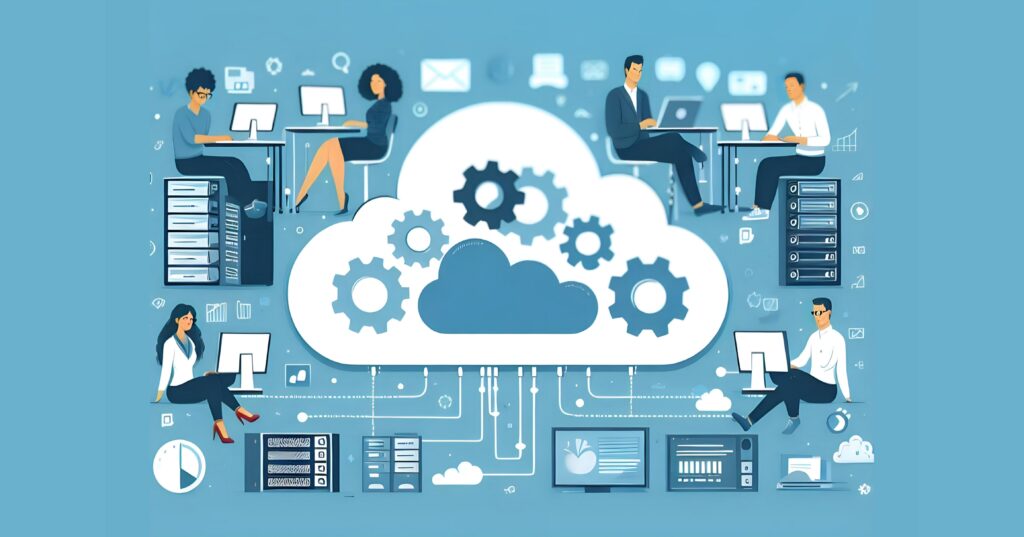
Cloud computing delivers computing resources such as processing power, storage, networking and software over the internet, usually on a pay-as-you-go basis. It has changed how businesses of every size run their IT.
Service models
- IaaS (Infrastructure as a Service): virtual servers, storage and networks on demand
- PaaS (Platform as a Service): a ready platform for building and running applications
- SaaS (Software as a Service): finished applications used through a browser
Benefits for business
- Lower upfront costs, as you pay only for what you use
- Easy scaling up or down with demand
- Access from anywhere, which supports remote work
- Built-in backup and disaster recovery
- Strong security from major providers
- Faster innovation and shorter time to market
Common uses
Companies use the cloud for data management, team collaboration, finance and accounting, customer support and software development.
Challenges to plan for
Data privacy and security need careful configuration. A reliable internet connection becomes essential, and migrating existing data and systems takes planning.
Conclusion
With the right strategy, the advantages of the cloud far outweigh the challenges, making it an attractive option for most organisations.



Discussion
0 commentsNo comments yetBe the first to share your thoughts.